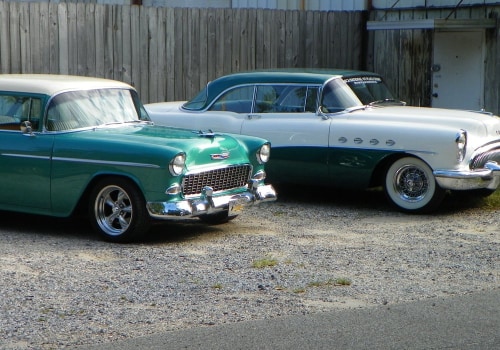
In recent years, vehicle modification has surged in popularity among automotive enthusiasts. From performance upgrades to aesthetic enhancements, modifying a vehicle allows owners to express their individuality and improve functionality. However, with this freedom comes a significant responsibility: ensuring that these modifications comply with local laws and regulations. Understanding the implications of vehicle modification is crucial for anyone looking to customize their ride. Many car enthusiasts are unaware that not all modifications are considered street legal.
Each state has its own set of rules governing what changes can be made to a vehicle without violating the law. For instance, modifications that affect emissions, safety features, or noise levels can lead to hefty fines or even the inability to register the vehicle. Therefore, it is essential for owners to research and understand the legal standards applicable in their area before embarking on any modification project. Moreover, the legality of modified cars can vary significantly based on the type of modification performed. While some upgrades, like new tires or cosmetic changes, may be permissible, others—such as engine swaps or suspension alterations—might require additional inspections or certifications.
By being informed about these regulations, vehicle owners can enjoy their customized cars without the fear of legal repercussions.
Researching Local Laws and Regulations
When it comes to vehicle modification, understanding local laws and regulations is crucial for ensuring that your modified vehicle remains street legal. Each state in the U.S. has its own set of rules governing what modifications are permissible, and failing to comply can lead to fines, vehicle impoundment, or even legal action.To begin your research, consider the following steps:- Visit State Department Websites: Most states have a Department of Motor Vehicles (DMV) or an equivalent agency that provides detailed information on vehicle regulations. Look for sections specifically addressing modifications, emissions standards, and safety requirements.
- Consult Local Ordinances: In addition to state laws, local municipalities may have their own regulations regarding vehicle modifications.
Check city or county websites for ordinances that could affect your vehicle.
- Join Online Forums and Communities: Engaging with fellow car enthusiasts can provide valuable insights into local laws. Online forums often have sections dedicated to legal advice where members share their experiences and knowledge about vehicle compliance.
- Contact Local Law Enforcement: If you have specific questions about what modifications are allowed, don’t hesitate to reach out to your local police department or highway patrol. They can provide clarity on enforcement practices and any recent changes in the law.
Laws regarding vehicle modification can evolve, and being proactive about compliance will save you from potential headaches down the road.
Common Modifications and Their Legal Considerations
When it comes to vehicle modification, understanding the legal implications of popular modifications is crucial for ensuring that your vehicle remains street legal. Below are some common modifications and their associated legal considerations.Exhaust Systems
Upgrading your vehicle's exhaust system is a popular modification aimed at enhancing performance and sound. However, it's essential to consider local noise ordinances and emissions regulations. Many states have specific laws regarding the maximum allowable noise levels for vehicles, and modifications that exceed these limits can lead to fines or the requirement to revert to stock components.Additionally, if your vehicle is equipped with a catalytic converter, removing or altering it can violate federal emissions laws.
Suspension Changes
Modifying your vehicle's suspension can improve handling and aesthetics, but it also comes with legal considerations. Lowering or lifting a vehicle can affect its center of gravity and overall safety. Many states have regulations regarding the maximum height or drop allowed for vehicles. It's important to check local laws to ensure that your modifications do not exceed these limits, as non-compliance can result in penalties or the inability to pass vehicle inspections.Body Kits
Installing a body kit can enhance the appearance of your vehicle, but it may also raise legal issues.Modifications that alter the vehicle's dimensions, such as wider fenders or spoilers, must comply with state regulations regarding vehicle width and height. Additionally, any changes that obstruct lights or license plates can lead to fines. Always ensure that any body kit you choose is designed for street use and adheres to local laws.In summary, while vehicle modifications can enhance performance and aesthetics, it's vital to stay informed about the legal implications of each change. Always consult local regulations and consider seeking advice from professionals to ensure compliance.
Safety Standards and Inspections
When it comes to vehicle modification, ensuring that your modified vehicle meets safety standards is crucial for both legality and safety on the road.Each state has its own set of regulations that dictate what modifications are permissible, and these often include specific safety requirements that must be adhered to.
Safety standards
typically cover various aspects of a vehicle, including:- Braking systems: Modifications to brakes must ensure that stopping power is not compromised.
- Lighting: All lights, including headlights, taillights, and turn signals, must be functional and meet brightness and color specifications.
- Exhaust systems: Modifications should comply with noise regulations and emissions standards.
- Suspension: Changes to suspension must maintain the vehicle's stability and handling characteristics.
- Pre-inspection checks: Before taking your vehicle for an official inspection, it's wise to conduct a thorough check of all modifications to ensure they meet safety requirements.
- Official inspections: These are conducted by certified inspectors who will assess your vehicle against state regulations. They will look for any modifications that may pose safety risks or violate legal standards.
- Documentation: Keep all receipts and documentation related to modifications, as you may need to present these during the inspection.
Staying informed about local regulations and ensuring your modifications adhere to safety standards is essential for keeping your modified vehicle street legal.
Documentation and Registration for Modified Vehicles
When it comes to vehicle modification, ensuring that your modified vehicle is street legal involves a thorough understanding of the necessary documentation and registration processes. Each state has its own regulations, so it’s crucial to familiarize yourself with local laws.Documentation for Modified Vehicles
- Modification Records: Keep detailed records of all modifications made to your vehicle. This includes receipts, installation manuals, and any certifications from professionals who performed the work.
- Compliance Certificates: Some modifications may require compliance certificates to prove that they meet safety and emissions standards. Check with your local Department of Motor Vehicles (DMV) or equivalent authority.
- Insurance Documentation: Inform your insurance provider about the modifications.
Some changes can affect your coverage, and having updated documentation can prevent issues in case of an accident.
Vehicle Registration for Modifications
After making modifications, you may need to update your vehicle's registration. This process typically involves:
- Submitting a Modification Application: Depending on the extent of the modifications, you might need to fill out a specific application form provided by your DMV.
- Paying Fees: Be prepared to pay any applicable fees associated with updating your registration or obtaining new plates.
- Inspection Requirements: Some states require an inspection of modified vehicles before they can be registered. Ensure that your vehicle passes any necessary inspections to avoid delays.
Title Changes for Modified Vehicles
If your modifications significantly alter the vehicle's original specifications, you may need to apply for a new title. This process generally includes:
- Filing a Title Application: Complete the required forms and submit them along with any supporting documentation related to the modifications.
- Providing Proof of Ownership: Ensure you have all necessary documents proving ownership, such as the original title and bill of sale.
Insurance Considerations for Modified Vehicles
When it comes to vehicle modification, one of the most critical aspects to consider is insurance.Many car enthusiasts overlook the importance of having the right coverage for their custom vehicles, which can lead to significant financial loss in the event of an accident or theft.
Insurance for modified vehicles
can differ significantly from standard auto insurance policies. Insurers often assess the modifications made to a vehicle and how they impact its value and safety. Here are some key factors that insurers typically consider:- Type of Modifications: Performance upgrades, aesthetic changes, and safety enhancements can all affect your policy. For instance, a high-performance engine may increase your risk profile.
- Value of Modifications: The total cost of modifications will influence your coverage needs.
It's essential to document all modifications with receipts and photographs.
- Usage of the Vehicle: If you use your modified vehicle for racing or other high-risk activities, you may need specialized coverage.
- Research Insurance Providers: Look for companies that specialize in insuring modified vehicles. They are more likely to understand the unique needs of car enthusiasts.
- Get an Appraisal: Having your vehicle appraised can help determine its value, ensuring you have sufficient coverage in case of a loss.
- Review Your Policy Regularly: As you make further modifications, keep your insurer updated to adjust your coverage accordingly.
Frequently Asked Questions About Vehicle Modification Legality
When it comes to vehicle modification, many car enthusiasts have questions about what is permissible under the law. Here are some frequently asked questions that can help clarify the legality of modified vehicles.- What modifications are typically legal?Most modifications that enhance performance or aesthetics are legal, provided they comply with local regulations.
Common legal modifications include upgraded exhaust systems, suspension changes, and cosmetic enhancements like new paint jobs.
- Are there restrictions on aftermarket parts?Yes, aftermarket parts must meet safety and emissions standards set by state and federal laws. Always check if the parts you intend to use are certified for street use.
- Do I need to inform my insurance company about modifications?Absolutely. Failing to inform your insurance provider about modifications can lead to denied claims. It's crucial to disclose any changes that could affect the vehicle's value or safety.
- Can I modify my vehicle for racing?While you can modify your vehicle for racing, it may not be street legal.
Vehicles intended for racing often require specific safety features that differ from those required for street use.
- What should I do if I receive a citation for my modified vehicle?If you receive a citation, review the specific laws cited and consider consulting with a legal expert who specializes in automotive regulations. You may be able to contest the citation if your modifications comply with local laws.
Conclusion: Key Takeaways for Ensuring Street Legality of Modified Vehicles
In conclusion, ensuring that your modified vehicle is street legal is a multifaceted process that requires careful attention to detail and a thorough understanding of local regulations. Here are the key takeaways to keep in mind:- Research Local Laws: Each state and municipality has its own set of rules regarding vehicle modifications. It is crucial to familiarize yourself with these laws to avoid potential fines or penalties.
- Consult Professionals: Engaging with automotive professionals or legal experts can provide valuable insights into compliance requirements.
They can help you navigate the complexities of vehicle modification laws.
- Document Modifications: Keep detailed records of all modifications made to your vehicle, including receipts and installation details. This documentation can be essential if you need to prove compliance during inspections.
- Safety Standards: Ensure that all modifications meet safety standards. This includes checking that parts are certified and that installations do not compromise the vehicle's structural integrity.
- Regular Inspections: Schedule regular inspections with certified mechanics who understand local laws. This proactive approach can help identify any issues before they become significant problems.
Remember, the thrill of customization should not come at the cost of legality or safety on the road.