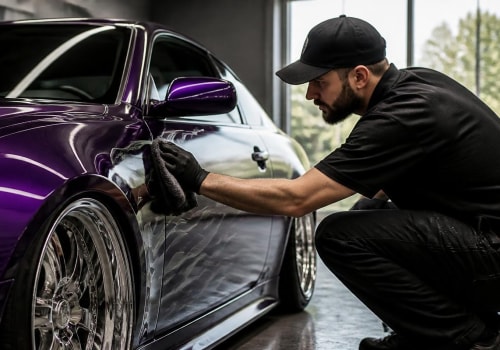
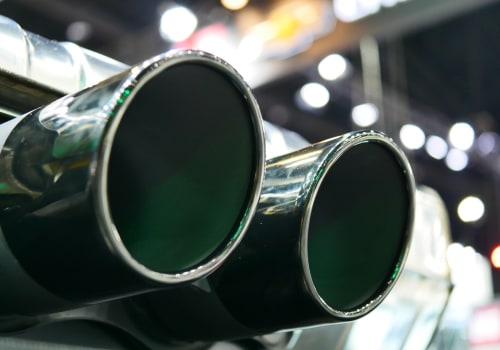
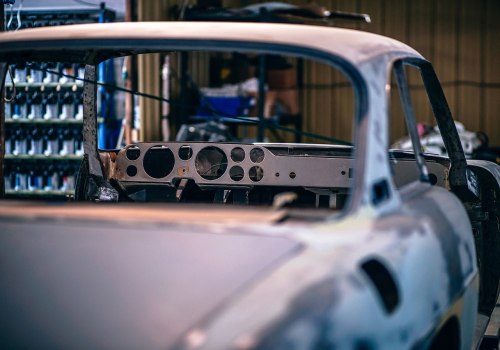
Vehicle modification refers to the process of altering or enhancing a vehicle's performance, appearance, or functionality. This can range from simple aesthetic changes, such as new paint jobs and custom wheels, to more complex upgrades like engine tuning and suspension adjustments. The primary goal of vehicle modification is to personalize a vehicle to better reflect the owner's style and preferences while potentially improving its performance and utility. One of the most appealing aspects of vehicle modification is the opportunity it provides for creativity and self-expression. Enthusiasts often find joy in transforming their vehicles into unique machines that stand out on the road.
Additionally, modifications can enhance a vehicle's capabilities, such as improving fuel efficiency, increasing horsepower, or providing better handling. These benefits make vehicle modification an attractive option for many car owners looking to elevate their driving experience. However, while the allure of modifying a vehicle is strong, it is essential to approach this endeavor with caution and knowledge. Understanding the potential pitfalls and common mistakes can save enthusiasts time, money, and frustration. As we delve deeper into this topic, we will explore some of the frequent missteps individuals make when modifying their vehicles, ensuring that your journey into customization is both enjoyable and successful.
Neglecting Research Before Modifying
When it comes to vehicle modification, one of the most significant mistakes enthusiasts make is neglecting research before diving into changes.This oversight can lead to a cascade of issues, from poor performance to safety hazards and financial loss.Before making any modifications, it’s crucial to understand the implications of your choices. Here are some common pitfalls associated with insufficient research:
- Choosing Incompatible Parts: Not all modifications work well together. For instance, upgrading your engine without considering the transmission or suspension can lead to a vehicle that handles poorly or is unsafe.
- Ignoring Local Regulations: Many areas have strict laws regarding vehicle modifications. Failing to research these regulations can result in fines or the inability to register your vehicle.
- Overlooking Warranty Issues: Some modifications can void your vehicle's warranty.
Understanding the terms of your warranty before making changes is essential to avoid unexpected costs.
- Underestimating Costs: Modifications often come with hidden costs, including installation fees and maintenance. Researching these aspects can help you budget more effectively.
By doing so, you ensure that your modifications enhance your driving experience rather than detract from it.
Ignoring Local Laws and Regulations
When it comes to vehicle modification, one of the most critical yet often overlooked aspects is understanding local laws and regulations. Many vehicle enthusiasts dive into modifications without considering the legal implications, which can lead to significant issues down the road.Each state and municipality has its own set of rules governing what modifications are permissible. For instance, changes to exhaust systems, suspension height, and even window tinting can be subject to strict regulations. Ignoring these laws can result in fines, mandatory vehicle inspections, or even the requirement to reverse modifications.Common Legal Issues with Vehicle Modifications
- Emissions Standards: Many areas have stringent emissions regulations that modified vehicles must comply with.
Failing to adhere to these standards can lead to hefty fines and the inability to register your vehicle.
- Safety Regulations: Modifications that affect a vehicle's safety features, such as brakes or lighting, may not only be illegal but also dangerous. Local laws often require that safety equipment remains intact and functional.
- Noise Ordinances: Upgrading exhaust systems can enhance performance but may also increase noise levels beyond what is legally acceptable in certain areas.
Always prioritize compliance to ensure that your modifications enhance your driving experience without legal repercussions.
Choosing the Wrong Parts or Accessories
When it comes to vehicle modification, one of the most critical mistakes enthusiasts make is choosing the wrong parts or accessories. Selecting incompatible or low-quality components can lead to a range of issues, from diminished performance to serious safety hazards.Understanding Compatibility
- Each vehicle has specific requirements based on its make, model, and year. Using parts that are not designed for your vehicle can result in poor fitment and functionality.
- For example, installing aftermarket suspension components that are not compatible with your vehicle's weight distribution can lead to handling issues and increased wear on other parts.
The Importance of Quality
- Opting for low-quality parts may save money initially, but it often leads to higher costs in the long run due to frequent replacements and repairs.
- High-quality components are typically engineered to meet or exceed OEM standards, ensuring better performance and longevity.
Research Before You Buy
Before making any purchases, it's essential to conduct thorough research. Check compatibility charts, read reviews, and consult with professionals or experienced modifiers.
This diligence can help you avoid the pitfalls associated with wrong parts for vehicle modification.In conclusion, ensuring that you choose the right parts and accessories is vital for a successful vehicle modification project. Prioritize compatibility and quality to enhance both the performance and safety of your vehicle.
Overlooking Professional Help When Needed
One of the most significant mistakes vehicle enthusiasts make is attempting complex modifications without seeking professional help. While the DIY approach can be rewarding, it often leads to costly errors and safety issues when it comes to intricate modifications.When to Hire a Professional for Vehicle Mods
- Complex Systems: If you're considering modifications that involve the engine, transmission, or suspension, it's wise to consult with a professional. These systems are intricate and require specialized knowledge to ensure they function correctly.
- Safety Concerns: Modifications that affect the vehicle's safety features, such as brakes or steering, should always be handled by experts.
A small mistake can lead to dangerous situations on the road.
- Legal Compliance: Some modifications may not comply with local laws and regulations. Professionals are familiar with these rules and can help you avoid legal issues.
DIY vs Professional Vehicle Modification
While many vehicle owners enjoy the satisfaction of completing modifications themselves, it's essential to recognize your limits. Simple upgrades like changing air filters or installing new headlights can often be done at home. However, for more complicated tasks, hiring a professional can save you time and money in the long run.In summary, while the allure of DIY vehicle modification is strong, knowing when to seek professional assistance is crucial.
Not only does it ensure that your vehicle remains safe and compliant, but it also enhances the overall quality of your modifications. Don't hesitate to reach out to experts when faced with complex challenges; their experience can make all the difference in achieving your desired results.
Failing to Consider Insurance Implications
When it comes to vehicle modification, many enthusiasts focus on aesthetics and performance enhancements, often overlooking the critical aspect of insurance implications. Modifying a vehicle can significantly alter its value and risk profile, which in turn affects insurance coverage.Understanding How Modifications Affect Car Insurance
- Increased Value: Many modifications, such as custom paint jobs or high-performance parts, can increase the overall value of your vehicle. This change may require you to adjust your coverage to ensure that you are adequately protected in case of theft or damage.
- Higher Risk: Certain modifications can make your vehicle more prone to accidents or theft.
For instance, performance upgrades might lead to more aggressive driving behavior, which insurers view as a higher risk.
- Specialized Coverage: Some modifications may necessitate specialized insurance policies. For example, if you install a custom sound system or unique body kits, your standard policy may not cover these enhancements.
Informing Your Insurance Provider
Before making any modifications, it is crucial to communicate with your insurance provider. Here are some steps to consider:
- Consult Your Agent: Speak with your insurance agent about your plans for modification. They can provide insights into how specific changes will impact your policy.
- Document Changes: Keep detailed records of all modifications made, including receipts and photographs.
This documentation can be invaluable when filing claims.
- Review Your Policy: After modifications are made, review your policy to ensure it reflects the new value and risk associated with your vehicle.
Not Testing Modifications Properly After Installation
After completing any vehicle modification, it is crucial to conduct thorough testing to ensure that the changes made do not compromise safety or performance. Many enthusiasts overlook this step, leading to potential hazards on the road.Importance of Post-Installation Checks
Post-installation checks serve as a critical safety net. They help identify any issues that may arise from the modifications, such as:- Improper alignment: Modifications can affect the vehicle's alignment, leading to uneven tire wear and handling issues.
- Brake performance: Upgrades or changes to weight distribution can impact braking efficiency, making it essential to test brake responsiveness.
- Engine performance: Modifications like new exhaust systems or air intakes can alter engine dynamics, necessitating a check for any warning lights or unusual sounds.
Key Tests to Perform
To ensure that your vehicle is safe and functional after modifications, consider performing the following tests:- Road Test: Take your vehicle for a short drive to assess handling, braking, and acceleration.
Pay attention to any unusual noises or vibrations.
- Visual Inspection: Check for any loose components or leaks under the hood and around the wheels. Ensure that all parts are securely fastened.
- Diagnostic Scan: Use an OBD-II scanner to check for any error codes that may indicate issues with the engine or other systems.
Ignoring Maintenance Needs Post-Modification
When it comes to vehicle modification, many enthusiasts focus on aesthetics and performance enhancements, often overlooking the critical aspect of maintenance. Modifications can significantly alter how a vehicle operates, which in turn affects its maintenance needs.Ignoring these changes can lead to costly repairs and diminished performance over time.For instance, if you’ve upgraded your engine or added a turbocharger, the vehicle's cooling system may need to be more robust to handle the increased heat. This means regular checks on coolant levels and the condition of hoses and radiators become essential. Similarly, modifications to the suspension or tires can affect alignment and tire wear, necessitating more frequent inspections.
Adapting Maintenance Routines
To ensure your modified vehicle remains in peak condition, consider the following maintenance tips:- Regular Inspections: Schedule routine checks that focus on modified components. This includes inspecting aftermarket parts for wear and tear.
- Fluid Changes: Modified vehicles may require more frequent oil changes or different types of fluids.
Always refer to manufacturer recommendations for modified setups.
- Tire Maintenance: Keep an eye on tire pressure and tread wear, especially if you’ve changed your wheel size or type.
- Brake Checks: If you’ve upgraded your brakes, ensure they are functioning correctly and replace pads and rotors as needed.
Conclusion: Key Takeaways on Vehicle Modification Mistakes
In conclusion, understanding the common mistakes associated with vehicle modification is crucial for any car enthusiast looking to enhance their ride. By avoiding these pitfalls, you can ensure that your modifications not only improve performance and aesthetics but also maintain safety and compliance with regulations.- Neglecting Research: One of the most significant errors is failing to conduct thorough research before making modifications.
Understanding how different parts interact and the implications of changes can save you time and money.
- Ignoring Local Laws: Vehicle modification laws vary by state and locality. Ignoring these regulations can lead to fines or even having your vehicle impounded.
- Overlooking Professional Help: While DIY modifications can be rewarding, some changes require professional expertise. Skipping this step can lead to improper installations that compromise safety.
- Focusing Solely on Aesthetics: While enhancing the look of your vehicle is important, it should not come at the expense of performance or safety. Balance is key.
- Underestimating Costs: Modifications can quickly add up.
It’s essential to budget not just for parts but also for labor, potential repairs, and future maintenance.