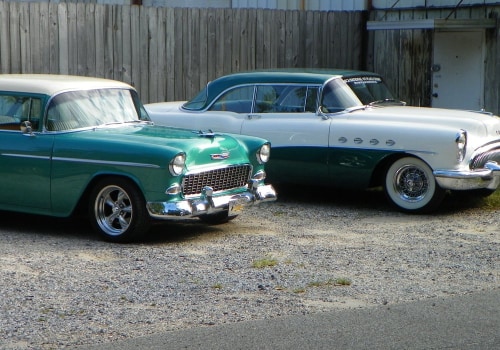
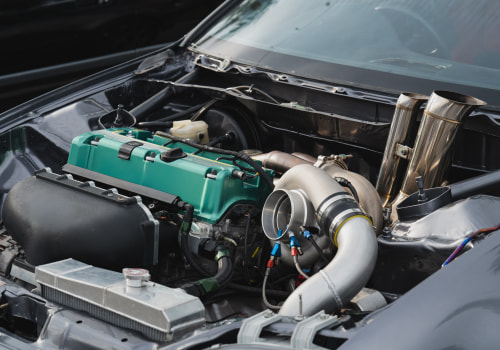
Vehicle modification is a fascinating realm that allows car enthusiasts to personalize and enhance their vehicles beyond factory specifications. From aesthetic upgrades like custom paint jobs and body kits to performance enhancements such as turbochargers and suspension systems, the possibilities are nearly endless. However, the question arises: can any car be modified? While many vehicles can undergo modifications, there are important considerations and limitations that every car owner should be aware of. Understanding the scope of car modification involves recognizing the various types of modifications available. Some modifications are purely cosmetic, aimed at improving the vehicle's appearance, while others focus on enhancing performance or functionality.
However, not all cars are created equal; factors such as the make, model, and intended use of the vehicle can significantly influence what modifications are feasible. For instance, a sports car may be more amenable to performance upgrades than a compact sedan. Moreover, legal regulations and safety standards play a crucial role in determining what modifications can be made. Certain alterations may not comply with local laws or could potentially compromise the vehicle's safety. Therefore, it is essential for car owners to conduct thorough research and consult with professionals before embarking on their modification journey.
In this article, we will explore the various aspects of vehicle modification, including what is possible and the limitations that may exist.
Types of Vehicle Modifications
When it comes to vehicle modification, enthusiasts have a plethora of options to choose from. These modifications can be broadly categorized into three main types: performance upgrades, aesthetic changes, and functional enhancements.Performance Upgrades
Performance upgrades are designed to enhance the vehicle's power, handling, and overall driving experience. Common modifications in this category include:- Engine Tuning: Adjusting the engine's software or hardware to increase horsepower and torque.
- Exhaust Systems: Upgrading to a high-performance exhaust system can improve airflow and engine efficiency.
- Suspension Modifications: Installing performance shocks, struts, or coilovers can enhance handling and ride quality.
- Tires and Wheels: Upgrading to performance tires and lightweight wheels can significantly improve traction and handling.
Aesthetic Changes
Aesthetic modifications focus on the visual appeal of the vehicle. These changes allow owners to express their personal style and make their cars stand out.Popular aesthetic modifications include:
- Custom Paint Jobs: Unique colors or designs can transform the look of a vehicle.
- Body Kits: Adding spoilers, side skirts, or bumpers can give a car a more aggressive stance.
- Interior Upgrades: Custom upholstery, steering wheels, and dashboard modifications enhance the interior aesthetics.
- Lighting Modifications: Upgrading headlights, taillights, or adding LED strips can create a distinctive look.
Functional Enhancements
Functional enhancements improve the usability and practicality of a vehicle. These modifications often focus on safety, convenience, or utility. Examples include:- Towing Packages: Adding towing equipment for increased hauling capacity.
- Navigation Systems: Installing advanced GPS systems for better route planning.
- Sound Systems: Upgrading audio components for superior sound quality.
- Safety Features: Adding backup cameras or parking sensors enhances safety while driving.
Legal Limitations on Vehicle Modifications
When it comes to vehicle modification, understanding the legal landscape is crucial for car enthusiasts.Each state in the U.S. has its own set of laws and regulations that govern what modifications can be made to vehicles. These laws are designed to ensure safety, environmental compliance, and adherence to local standards.
State Regulations
- Emissions Standards: Many states have strict emissions regulations that limit modifications affecting a vehicle's exhaust system. For instance, removing catalytic converters or installing aftermarket exhaust systems may violate these laws.
- Safety Inspections: Some states require vehicles to pass safety inspections, which can include checks on modifications like suspension lifts or body kits.
If a modification compromises safety, it may not be allowed.
- Lighting Modifications: Changes to headlights and taillights, such as using colored bulbs or adding neon underglow, can also be restricted. States often have specific regulations regarding the color and brightness of vehicle lights.
Local Ordinances
In addition to state laws, local municipalities may impose their own restrictions on car modifications. For example, some cities may have noise ordinances that limit the sound level of modified exhaust systems. It’s essential for vehicle owners to check both state and local regulations before proceeding with any modifications.
Insurance Implications
Another important aspect to consider is how modifications can affect your insurance policy.
Some insurance companies may refuse coverage for vehicles with significant modifications or may require additional premiums. Always consult with your insurance provider before making changes to ensure you remain compliant and protected.In summary, while many modifications are possible, they must align with legal requirements at both the state and local levels. Being informed about these regulations can help car enthusiasts enjoy their passion without facing legal repercussions.
Safety Considerations in Vehicle Modification
When considering vehicle modification, safety should be a top priority. While enhancing your car's performance or aesthetics can be exciting, it is crucial to understand the potential risks involved.Modifications can affect not only the vehicle's handling and stability but also its compliance with safety regulations.
Understanding the Risks of Car Modifications
- Structural Integrity: Altering the frame or body of a vehicle can compromise its structural integrity, making it less safe in the event of a collision.
- Suspension Changes: Upgrading suspension components can improve handling, but improper installation or incompatible parts can lead to unpredictable driving behavior.
- Brake System Modifications: Enhancing engine power without upgrading the braking system can result in inadequate stopping power, increasing the risk of accidents.
- Tire and Wheel Upgrades: Choosing larger tires or wheels may enhance appearance but can also affect speedometer accuracy and overall vehicle dynamics.
Safe Car Upgrades
To ensure that your modifications are safe, consider the following guidelines:
- Consult Professionals: Always seek advice from certified mechanics or automotive specialists who understand the implications of specific modifications.
- Research Compatibility: Ensure that any new parts are compatible with your vehicle's make and model to avoid unforeseen issues.
- Follow Local Regulations: Be aware of local laws regarding vehicle modifications, as some changes may not be street legal.
- Test Thoroughly: After modifications, conduct thorough tests to assess how changes affect handling, braking, and overall performance.
Manufacturer Restrictions and Warranty Issues
When considering vehicle modification, it's essential to understand that manufacturers often impose certain restrictions on modifications to maintain the integrity and safety of their vehicles. These restrictions can vary significantly between different manufacturers and models, and they are typically outlined in the vehicle's owner manual or warranty documentation.Manufacturer Restrictions
- OEM Guidelines: Original Equipment Manufacturers (OEMs) may have specific guidelines regarding modifications. For instance, altering the engine or suspension system can lead to performance issues that the manufacturer did not design for, potentially voiding any warranties.
- Safety Standards: Modifications that compromise safety features, such as removing airbags or altering braking systems, are often prohibited.
Manufacturers prioritize safety and may refuse warranty claims if they determine that a modification has led to a safety failure.
- Emissions Compliance: Many states have strict emissions regulations. Modifications that affect a vehicle's emissions system can lead to legal issues and may also void the warranty if the manufacturer deems it non-compliant with federal or state laws.
Warranty Issues
One of the most significant concerns for car owners contemplating modifications is the potential impact on their vehicle's warranty. Generally, if a modification directly causes a failure in another part of the vehicle, the manufacturer may deny warranty coverage for that specific issue. For example:
- If you install an aftermarket exhaust system and subsequently experience engine problems, the manufacturer might argue that the exhaust modification contributed to the engine failure.
- In some cases, manufacturers may offer limited warranties on specific aftermarket parts, but these warranties often do not cover any related issues that arise from their installation.
Understanding both the manufacturer's restrictions and potential warranty implications can help ensure that your vehicle remains protected while allowing for personal customization.
Common Myths About Vehicle Modification
When it comes to vehicle modification, several myths can create confusion and hesitation among car enthusiasts. Understanding the truth behind these misconceptions is crucial for anyone considering modifications.- Myth 1: All modifications are illegal. Many people believe that any change made to a vehicle is against the law. In reality, while some modifications may require compliance with local regulations, many are perfectly legal. It's essential to check local laws and regulations before proceeding.
- Myth 2: Modifications void your warranty. This myth often deters car owners from making changes.
While certain modifications can affect specific warranties, many manufacturers allow for aftermarket parts as long as they do not directly cause damage to the vehicle. Always read the warranty terms and consult with your dealer.
- Myth 3: Modifications decrease safety. Some believe that modifying a vehicle inherently makes it less safe. However, when done correctly, modifications can enhance safety features. For instance, upgrading brakes or suspension can improve handling and stopping power.
- Myth 4: Only performance cars can be modified. This misconception limits the potential for many vehicles.
In truth, any car can be modified to suit personal preferences, whether for aesthetics, comfort, or performance enhancements.
FAQs About Vehicle Modification Limitations
When it comes to vehicle modification, many enthusiasts have questions about what can and cannot be done. Here are some of the most frequently asked questions regarding limitations on modifying cars:1.Are there legal restrictions on vehicle modifications?
Yes, there are legal restrictions that vary by state and country. Modifications that affect safety, emissions, or noise levels may be regulated.Always check local laws before proceeding with any modifications.
2.Can I modify my car if it’s still under warranty?
Modifying a vehicle under warranty can void certain aspects of the warranty, especially if the modification is directly related to the issue being claimed. It’s advisable to consult your dealer or manufacturer before making any changes.3.What types of modifications are generally allowed?
- Aesthetic modifications: Changes like new paint jobs, decals, or custom interiors are usually permitted.
- Performance upgrades: Engine tuning, exhaust systems, and suspension upgrades can enhance performance but may have legal implications.
- Safety enhancements: Adding features like better brakes or safety harnesses is often encouraged.
4.Are there limitations based on the type of vehicle?
Yes, certain vehicles have more restrictions than others. For example, commercial vehicles may have stricter regulations compared to personal cars. Additionally, classic cars might have specific rules regarding modifications to maintain their historical integrity.5.How do emissions regulations affect modifications?
Many regions have strict emissions standards that must be adhered to.Modifications that increase emissions or remove factory-installed emissions controls can lead to fines and failed inspections.In summary, while vehicle modification can be an exciting way to personalize your ride, it’s essential to understand the limitations and regulations that apply. Always do thorough research and consult professionals when considering modifications to ensure compliance and safety.
Conclusion: Navigating the World of Vehicle Modification
In conclusion, the world of vehicle modification is both exciting and complex. As we have explored, while many cars can be modified to enhance performance, aesthetics, or functionality, there are significant limitations that enthusiasts must consider. Understanding these limitations is crucial for anyone looking to customize their vehicle. Here are some key takeaways:- Legal Regulations: Each state has its own laws regarding vehicle modifications.
It's essential to check local regulations to avoid fines or having your vehicle deemed illegal.
- Manufacturer Restrictions: Some vehicles come with warranties that may be voided by certain modifications. Always consult your manufacturer before making changes.
- Safety Concerns: Modifications can impact the safety of your vehicle. Upgrades should not compromise the structural integrity or safety features of the car.
- Compatibility Issues: Not all parts are compatible with every vehicle model. Researching and ensuring that modifications will work seamlessly with your car is vital.
Enthusiasts should approach modifications with a well-informed mindset, balancing creativity with practicality. By doing so, they can enjoy the benefits of personalization while staying within legal and safety boundaries.