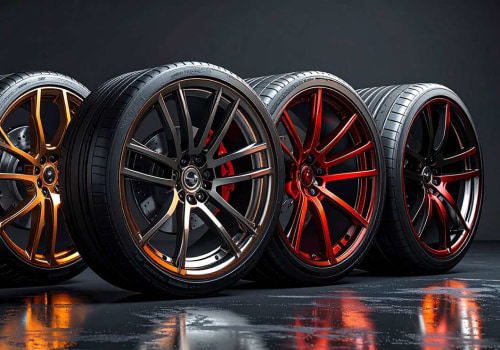
Vehicle modifications refer to any alterations made to a vehicle's original design or functionality. These changes can range from aesthetic enhancements, such as custom paint jobs and body kits, to performance upgrades like engine tuning and suspension adjustments. Understanding vehicle modifications is crucial for any car enthusiast or owner looking to improve their vehicle's capabilities or appearance. There are several types of vehicle modifications, each serving different purposes.
- Aesthetic Modifications: These include changes that enhance the visual appeal of a vehicle, such as new wheels, spoilers, or interior upgrades.
- Performance Modifications: These aim to improve the vehicle's power and handling, including turbochargers, exhaust systems, and suspension upgrades.
- Functional Modifications: These modifications enhance the vehicle's utility, such as adding roof racks or towing packages.
For instance, performance upgrades may increase horsepower but could lead to higher fuel consumption. Conversely, certain modifications like lightweight materials or aerodynamic enhancements can improve fuel economy. As we delve deeper into the relationship between vehicle modification and fuel efficiency, it becomes essential to consider how each type of modification interacts with the vehicle's overall performance and efficiency.
How Vehicle Modifications Can Improve Fuel Efficiency
When it comes to enhancing fuel efficiency, vehicle modifications can play a pivotal role. By implementing specific upgrades, drivers can significantly reduce their fuel consumption while also improving overall vehicle performance.Lightweight Materials
One of the most effective ways to improve fuel efficiency is by reducing the weight of the vehicle.Utilizing lightweight materials such as carbon fiber or aluminum can lead to substantial gains in fuel economy. A lighter vehicle requires less energy to accelerate and maintain speed, which translates to better mileage.
Aerodynamic Enhancements
Aerodynamics is another critical factor in fuel efficiency. Modifications that improve a vehicle's aerodynamic profile can reduce drag, allowing for smoother airflow around the car. Common aerodynamic upgrades include:- Front air dams: These help direct airflow under the vehicle, reducing lift and drag.
- Rear spoilers: Properly designed spoilers can enhance stability and reduce turbulence.
- Side skirts: These modifications minimize air entering from the sides, further improving aerodynamics.
Engine Tuning and Performance Upgrades
Tuning the engine for optimal performance can also lead to improved fuel efficiency.This may involve adjusting the engine's air-fuel mixture or upgrading components such as:
- High-performance air filters: These allow for better airflow into the engine, enhancing combustion efficiency.
- ECU remapping: Reprogramming the engine control unit can optimize fuel delivery and ignition timing.
- Exhaust system upgrades: A more efficient exhaust system can reduce back pressure, allowing the engine to breathe better.
Negative Impacts of Vehicle Modifications on Fuel Efficiency
While vehicle modifications can enhance performance and aesthetics, they can also lead to decreased fuel efficiency. Understanding the common pitfalls associated with these modifications is crucial for vehicle owners who wish to maintain optimal fuel economy.- Larger Tires: Upgrading to larger tires can significantly impact fuel efficiency. Larger tires increase rolling resistance and weight, which requires more power from the engine to maintain speed.
This extra demand can lead to higher fuel consumption, especially in city driving conditions.
- Heavy Aftermarket Parts: Adding heavy aftermarket components, such as bumpers or suspension systems, can also negatively affect fuel efficiency. The added weight increases the load on the engine, forcing it to work harder and consume more fuel.
- Aggressive Tuning: Performance tuning often focuses on maximizing horsepower and torque, but this can come at the expense of fuel efficiency. Modifications that enhance engine performance may lead to a richer fuel mixture, resulting in increased fuel consumption.
This trade-off can be particularly evident in vehicles that have undergone extensive modifications without consideration for their overall balance.In conclusion, while vehicle modifications can provide numerous benefits, it is essential to consider their potential negative impacts on fuel efficiency. By being aware of these common pitfalls, vehicle owners can make informed decisions that align with their performance goals while still maintaining reasonable fuel economy.
The Role of Aerodynamics in Fuel Efficiency
When it comes to vehicle modifications, one of the most impactful areas to consider is aerodynamics. The way air flows around a vehicle can significantly influence its fuel efficiency. By optimizing the aerodynamic profile of a vehicle, modifications can reduce drag, which in turn enhances fuel economy.Aerodynamic modifications
can take various forms, including:- Front spoilers: These devices help direct airflow around the vehicle, reducing lift and drag.
- Side skirts: By minimizing the amount of air that flows underneath the vehicle, side skirts can lower drag and improve stability.
- Rear diffusers: These modifications help manage the turbulent air that exits from under the car, allowing for smoother airflow and reduced drag.
- Wheel fairings: Covering the wheels can decrease drag caused by turbulence around the tires.
As a vehicle moves, it encounters resistance from air, known as drag. The greater the drag, the more energy is required to maintain speed, leading to increased fuel consumption. By implementing aerodynamic modifications, drivers can effectively reduce this drag force.Moreover, the overall vehicle design plays a crucial role in determining fuel economy. A streamlined shape not only looks appealing but also contributes to better performance on the road.
Vehicles designed with aerodynamics in mind often feature sloped roofs and tapered rear ends that facilitate smoother airflow.In conclusion, understanding how aerodynamics affect fuel efficiency is essential for anyone considering vehicle modifications. By focusing on reducing drag through thoughtful design and specific modifications, drivers can achieve significant improvements in fuel economy while enhancing their vehicle's performance.
Engine Modifications and Their Effects on Fuel Consumption
When it comes to vehicle modification, engine modifications play a crucial role in determining fuel efficiency. Understanding how these changes impact fuel consumption can help vehicle owners make informed decisions about their modifications.Engine Tuning for Fuel Efficiency
One of the most effective ways to enhance fuel efficiency is through engine tuning. This process involves adjusting the engine's air-fuel mixture and ignition timing to optimize performance.A well-tuned engine can lead to better combustion, which not only improves power output but also enhances fuel economy. For instance, reprogramming the engine control unit (ECU) can result in significant gains in miles per gallon (MPG).
Performance Chips
Performance chips are another popular modification that can influence fuel consumption. These chips modify the ECU settings to improve engine performance. While some chips focus on increasing horsepower, others are specifically designed to enhance fuel efficiency.By optimizing the engine's parameters, performance chips can help drivers achieve better fuel economy without sacrificing power.
Exhaust Systems and Fuel Economy
The choice of exhaust system can also have a significant impact on fuel efficiency. Upgrading to a high-performance exhaust system can reduce back pressure, allowing the engine to expel exhaust gases more efficiently. This improved airflow can lead to better engine performance and, consequently, improved fuel economy. However, it's essential to choose an exhaust system that complements other modifications to avoid negatively affecting overall performance.In conclusion, while vehicle modifications such as engine tuning, performance chips, and exhaust systems can enhance fuel efficiency, it's vital to approach these changes thoughtfully.Each modification should be considered in the context of the vehicle's overall performance goals to ensure that improvements in fuel economy do not come at the expense of power or drivability.
Tire Choices and Their Impact on Fuel Efficiency
When it comes to vehicle modification, one of the most impactful changes you can make is in your choice of tires. The right tires not only enhance your vehicle's performance but also play a crucial role in optimizing fuel efficiency.Understanding Tire Modifications
Tire modifications can include changing the size, tread pattern, or type of tire. Each of these factors can significantly influence how much fuel your vehicle consumes. For instance, larger tires may provide better traction but can also increase rolling resistance, leading to decreased fuel efficiency.The Role of Tire Pressure
Another critical aspect of tire performance is tire pressure.Under-inflated tires create more rolling resistance, which means your engine has to work harder to maintain speed. This extra effort translates into higher fuel consumption. Regularly checking and maintaining the correct tire pressure can improve your vehicle's fuel economy by up to 3%.
Benefits of Low Rolling Resistance Tires
One of the best options for enhancing fuel efficiency through tire choice is to invest in low rolling resistance tires. These tires are specifically designed to minimize the energy lost as they roll, which can lead to significant savings at the pump.Studies have shown that switching to low rolling resistance tires can improve fuel economy by 4% to 10%, depending on driving conditions and habits.
- Improved Fuel Economy: Low rolling resistance tires reduce the energy required for movement.
- Enhanced Performance: These tires often provide better handling and stability.
- Longer Lifespan: Many low rolling resistance options are designed for durability, offering a longer tread life.
Real-World Examples of Modified Vehicles and Their Fuel Efficiency Outcomes
Understanding the impact of vehicle modifications on fuel efficiency can be greatly enhanced by examining real-world examples. Here are a few case studies that illustrate how specific modifications have led to varying outcomes in fuel economy.Case Study 1: The Eco-Friendly Sedan
A popular sedan was modified with a cold air intake and a high-performance exhaust system. The owner reported an increase in fuel efficiency from 25 to 30 miles per gallon (MPG).This 20% improvement was attributed to better airflow, which allowed the engine to operate more efficiently. Additionally, the enhanced exhaust system reduced back pressure, further optimizing performance.
Case Study 2: The Off-Road Truck
A truck owner decided to upgrade their vehicle with larger tires and a lift kit for off-road capabilities. While these modifications improved the truck's ability to navigate rough terrain, they negatively impacted fuel efficiency. The truck's MPG dropped from 18 to 14 due to increased rolling resistance and aerodynamic drag.This example highlights how certain modifications can compromise fuel economy, especially when they alter the vehicle's original design.
Success Story: The Hybrid Conversion
In another instance, a car enthusiast converted a traditional gasoline vehicle into a hybrid using an aftermarket electric motor kit. Post-modification, the vehicle achieved an impressive 50 MPG, significantly surpassing its original rating of 22 MPG. This conversion not only improved fuel efficiency but also reduced emissions, showcasing how innovative vehicle modifications can lead to substantial environmental benefits.These examples demonstrate that while some vehicle modifications can enhance fuel efficiency, others may have the opposite effect. It is crucial for vehicle owners to carefully consider their goals and the potential trade-offs associated with each modification.Frequently Asked Questions About Vehicle Modifications and Fuel Efficiency
When it comes to vehicle modifications, many car enthusiasts and everyday drivers alike have questions about how these changes can impact fuel efficiency.Below are some of the most frequently asked questions regarding this topic.
Do all vehicle modifications negatively affect fuel efficiency?
Not necessarily. While some modifications, such as larger tires or performance exhaust systems, can lead to decreased fuel efficiency, others may actually improve it. For instance, upgrading to a high-efficiency air filter or installing a fuel management system can enhance engine performance and potentially improve fuel economy.What are common misconceptions about vehicle modifications?
- Myth: All modifications will reduce fuel efficiency.
- Fact: Some modifications can enhance aerodynamics or reduce weight, leading to better fuel economy.
- Myth: Performance upgrades are only for speed enthusiasts.
- Fact: Many performance upgrades focus on efficiency and can help save on fuel costs.
Can I modify my vehicle for better fuel efficiency?
Yes! If your goal is to improve fuel efficiency, consider modifications such as:- Aerodynamic enhancements: Adding a front air dam or rear spoiler can reduce drag.
- Tire upgrades: Switching to low-rolling-resistance tires can improve mileage.
- Weight reduction: Removing unnecessary items from your vehicle can enhance efficiency.
Conclusion: Balancing Performance and Fuel Efficiency in Vehicle Modifications
In conclusion, understanding the impact of vehicle modifications on fuel efficiency is crucial for any car enthusiast or everyday driver looking to enhance their vehicle's performance.While modifications can significantly improve aspects such as horsepower and handling, they often come at the cost of fuel economy. Therefore, it is essential to strike a balance between performance enhancements and maintaining optimal fuel efficiency.As discussed, certain modifications like high-performance exhaust systems and cold air intakes can lead to better airflow and increased power, but they may also result in higher fuel consumption. Conversely, modifications aimed at reducing weight, such as lightweight wheels or body kits, can enhance fuel efficiency while still providing a sporty look.
Key Considerations
- Research: Before making any modifications, conduct thorough research to understand how each change will affect your vehicle's overall performance and fuel economy.
- Consult Experts: Seek advice from automotive professionals who can provide insights tailored to your specific vehicle and driving habits.
- Test and Monitor: After modifications, monitor your vehicle's fuel efficiency closely to assess the real-world impact of your changes.