Vehicle modification refers to the process of altering or enhancing a vehicle's original design and functionality. This practice has gained immense popularity among car enthusiasts and everyday drivers alike, as it allows individuals to personalize their vehicles to better suit their needs and preferences. From aesthetic upgrades to performance enhancements, vehicle modification encompasses a wide range of changes that can significantly impact how a vehicle operates on the road. There are several types of vehicle modifications, each serving different purposes. Cosmetic modifications, such as custom paint jobs, body kits, and upgraded interiors, focus primarily on enhancing the visual appeal of a vehicle.
On the other hand, performance modifications aim to improve aspects like speed, handling, and fuel efficiency. These can include engine tuning, suspension upgrades, and the installation of high-performance exhaust systems. Understanding these various types is crucial for anyone considering modifications, as each can lead to different outcomes in terms of performance and safety. As we delve deeper into the world of vehicle modification, it becomes clear that these changes can have profound effects on a vehicle's overall performance. Whether you're looking to boost horsepower or simply make your ride more visually striking, knowing the implications of your modifications is essential.
This section sets the stage for exploring how specific modifications can enhance or alter a vehicle's capabilities, ultimately leading to a more tailored driving experience.
How Vehicle Modifications Enhance Performance
Vehicle modifications can significantly enhance performance, transforming a standard vehicle into a high-performing machine. By focusing on specific areas such as engine modifications, suspension upgrades, and exhaust systems, enthusiasts can achieve remarkable improvements in speed, handling, and overall driving experience.Engine Modifications
One of the most impactful areas for performance enhancement is the engine.Engine tuning
involves adjusting the vehicle's engine control unit (ECU) to optimize fuel-air mixture and ignition timing. This can lead to increased horsepower and torque, allowing for quicker acceleration and better responsiveness.Additionally, installing a cold air intake can improve airflow to the engine, enhancing combustion efficiency and power output.
Suspension Upgrades
The suspension system plays a crucial role in how a vehicle handles on the road. Upgrading components such as shocks, struts, and sway bars can lead to improved stability and cornering ability.Performance suspension kits
often lower the vehicle's center of gravity, reducing body roll during turns and providing a more connected feel to the road. This not only enhances performance but also increases driver confidence.Exhaust Systems
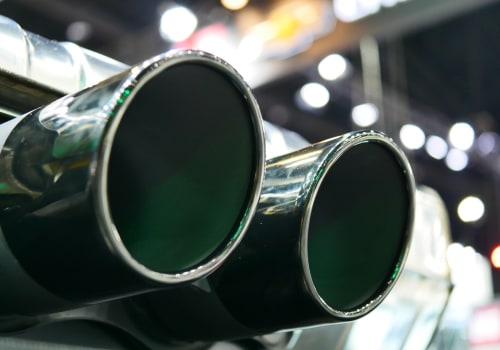
A well-designed exhaust system can significantly affect engine performance by improving exhaust flow.Upgrading to a high-performance exhaust allows for quicker expulsion of exhaust gases, which can lead to increased horsepower. Additionally, many aftermarket exhaust systems provide a more aggressive sound that appeals to car enthusiasts.In conclusion, vehicle modification offers numerous avenues for enhancing performance. By focusing on engine tuning, suspension upgrades, and exhaust improvements, drivers can enjoy a more powerful and responsive vehicle that meets their performance expectations.
Potential Drawbacks of Vehicle Modifications
While vehicle modification can enhance performance and aesthetics, it is essential to consider the potential drawbacks that may arise from such changes. Understanding these risks can help vehicle owners make informed decisions about modifications.Safety Risks
One of the most significant concerns with modifying vehicles is the potential impact on safety.Certain modifications, such as lowering a vehicle's suspension or altering its braking system, can lead to compromised handling and increased stopping distances. This can make the vehicle more challenging to control, especially in emergency situations.
Reliability Issues
Modifications can also affect the reliability of a vehicle. For instance, aftermarket parts may not be designed to the same standards as original equipment manufacturer (OEM) components. This can lead to premature wear and tear or even complete failure of critical systems.Additionally, modifications that require extensive alterations to the vehicle's structure or electronics can introduce new points of failure.
Negative Effects on Performance
While some modifications aim to improve performance, they can sometimes have the opposite effect. For example, installing a high-performance exhaust system without proper tuning may lead to a loss of low-end torque, making the vehicle less responsive in everyday driving conditions. Similarly, adding larger wheels can enhance aesthetics but may negatively impact ride quality and fuel efficiency due to increased weight and rolling resistance.Legal and Insurance Implications
Another aspect to consider is the legal implications of certain modifications. Some changes may violate local laws or regulations, leading to fines or requiring the vehicle to be returned to its original state.Furthermore, insurance companies may view modified vehicles as higher risk, potentially resulting in increased premiums or difficulties in obtaining coverage.In conclusion, while vehicle modification can offer exciting opportunities for personalization and performance enhancement, it is crucial to weigh these benefits against the potential drawbacks. By understanding the risks involved, vehicle owners can make better choices that align with their safety and performance goals.
Legal Considerations in Vehicle Modification
When it comes to vehicle modification, understanding the legal landscape is crucial for any car enthusiast. Modifying a vehicle can enhance its performance and aesthetics, but it also comes with a set of legal responsibilities that must be adhered to.Legal Issues with Vehicle Modification
- State Regulations: Each state has its own set of laws governing vehicle modifications. These can include restrictions on emissions, noise levels, and safety standards.
It’s essential to check local regulations before making any modifications.
- Insurance Implications: Modifications can affect your vehicle insurance policy. Some insurers may require you to disclose modifications, and failure to do so could result in denied claims or policy cancellations.
- Warranty Concerns: Modifying your vehicle may void the manufacturer’s warranty. It’s important to understand which modifications are permissible under warranty terms.
Compliance with Laws
To ensure compliance with laws regarding vehicle modification, consider the following steps:
- Research Local Laws: Before proceeding with any modifications, research your state and local laws. Websites of state departments of motor vehicles (DMVs) often provide guidelines on what is permissible.
- Consult Professionals: Engaging with certified mechanics or modification specialists can help ensure that your modifications meet legal standards and safety requirements.
- Document Everything: Keep records of all modifications made, including receipts and compliance certificates.
This documentation can be invaluable in case of disputes or insurance claims.
Cost vs. Benefit Analysis of Vehicle Modifications
When considering vehicle modification, it's essential to conduct a thorough cost vs. benefit analysis.This analysis helps potential modifiers understand the financial implications of their choices and the performance enhancements they can expect.Cost of Vehicle Modifications The costs associated with modifying a vehicle can vary significantly based on the type of modifications chosen. Basic upgrades, such as new tires or a performance exhaust system, may range from a few hundred to a couple of thousand dollars. More extensive modifications, like engine swaps or custom suspension systems, can escalate into the tens of thousands. It's crucial to consider not only the initial investment but also potential ongoing maintenance costs that may arise from these modifications.Benefits of Modifying Vehicles On the flip side, the benefits of modifying vehicles can be substantial.
Enhanced performance, improved fuel efficiency, and increased safety are just a few advantages. For instance, upgrading to a high-performance air intake system can lead to better engine efficiency and power output. Additionally, aesthetic modifications can increase the vehicle's resale value, making it more appealing to future buyers.ROI on Vehicle Upgrades Calculating the return on investment (ROI) for vehicle upgrades is vital for making informed decisions. While some modifications may not yield significant financial returns, others can enhance both performance and value.
For example, investing in quality suspension upgrades can improve handling and comfort, leading to a more enjoyable driving experience. Furthermore, certain modifications may even lower insurance premiums or increase fuel efficiency, providing long-term savings. Ultimately, understanding the balance between cost and benefit is key to successful vehicle modification. By carefully evaluating both aspects, vehicle owners can make informed decisions that align with their performance goals and budget constraints.
Frequently Asked Questions About Vehicle Modification
When it comes to vehicle modification, many enthusiasts and potential modifiers have questions about its impact on performance. Here are some frequently asked questions that can help clarify common misconceptions:- Does modifying my vehicle always improve performance? Not necessarily.
While some modifications, like upgrading the exhaust system or tuning the engine, can enhance performance, others may not yield significant benefits or could even hinder performance if not done correctly.
- Are all modifications legal? Vehicle modifications can vary in legality depending on local laws and regulations. It's essential to check with local authorities to ensure that your modifications comply with state and federal laws.
- Will modifying my vehicle void the warranty? In many cases, yes. Modifications can void certain aspects of a vehicle's warranty, especially if they lead to damage or failure of factory-installed components. Always consult your warranty documentation before proceeding with modifications.
- What are some common myths about vehicle modification? One prevalent myth is that all modifications will drastically increase horsepower.
While some upgrades do enhance power, others focus on aesthetics or comfort without significantly affecting performance.
Conclusion: Weighing the Pros and Cons of Vehicle Modification
In conclusion, vehicle modification presents a complex landscape of advantages and disadvantages that every car enthusiast or owner should carefully consider. While the allure of enhanced performance, improved aesthetics, and personalized driving experience is undeniable, it is crucial to weigh these benefits against potential drawbacks.Pros of Vehicle Modification:
- Performance Enhancements: Modifications such as upgraded exhaust systems, performance chips, and suspension tweaks can significantly boost a vehicle's horsepower and handling.
- Aesthetic Appeal: Custom paint jobs, body kits, and unique wheels allow owners to express their individuality and make their vehicles stand out.
- Increased Resale Value: Certain modifications can enhance a vehicle's market appeal, attracting buyers looking for specific features.
- Warranty Issues: Many manufacturers void warranties when modifications are made, which can lead to costly repairs down the line.
- Insurance Complications: Modifications may increase insurance premiums or complicate claims in the event of an accident.
- Potential for Reduced Reliability: Some modifications can lead to increased wear and tear on components, potentially compromising the vehicle's longevity.
By striking a balance between personal preference and practical considerations, vehicle owners can enjoy the best of both worlds—enhanced performance without sacrificing the integrity of their vehicles.