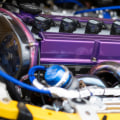
Custom vehicle finishes allow car owners to express their personal style while enhancing the appearance of their automobiles. From metallic paint and matte coatings to intricate graphics and color-changing finishes, these specialized surfaces require careful maintenance to preserve their original beauty. Unlike standard factory paint, custom finishes may involve unique materials, multiple coating layers, or delicate decorative elements. Automotive detailing plays an essential role in protecting these investments by removing contaminants, maintaining surface quality, and reducing unnecessary wear. Proper detailing techniques help ensure that customized vehicles continue to display their distinctive appearance while maintaining their overall condition and potential resale value.
Protecting Custom Paint Against Environmental Damage
Custom automotive finishes face constant exposure to environmental elements that can gradually affect their appearance. Sunlight, bird droppings, tree sap, road salt, and airborne pollutants may contribute to discoloration, staining, and surface deterioration. Regular detailing helps remove these contaminants before they cause lasting damage. Specialized cleaning solutions designed for particular paint types can maintain surface integrity without stripping protective layers. For example, matte finishes require products that preserve their nonreflective appearance, while glossy coatings may benefit from compatible protective treatments. Understanding the specific requirements of each finish is essential for preventing avoidable damage.
The Importance of Gentle Washing Techniques
Routine washing is a fundamental part of preserving customized vehicle exteriors. However, improper cleaning methods can introduce scratches, swirl marks, and other imperfections that diminish the quality of specialized finishes. Using microfiber wash mitts, pH-neutral automotive shampoos, and clean water helps minimize friction during cleaning. Vehicle owners exploring unlimited car wash memberships in College Station may appreciate the convenience of regular exterior maintenance, provided the washing methods are compatible with their custom coatings. Touchless washing options can reduce direct physical contact, although owners should verify that the cleaning chemicals are appropriate for their particular finish.
Applying Protective Coatings and Surface Treatments
Protective coatings provide an additional layer of defense against environmental contaminants and everyday wear. Ceramic coatings, paint protection films, and specialty sealants can help maintain certain custom finishes when correctly selected and applied. These treatments may improve resistance to dirt accumulation, minor surface damage, and chemical exposure. However, not every protective product is suitable for every finish. Matte paint, vinyl wraps, and textured coatings often require specially formulated treatments. Professional detailers can assess the existing surface and recommend compatible products that preserve the intended appearance without creating unwanted gloss or altering decorative features.
Maintaining Custom Graphics and Decorative Elements
Custom vehicles frequently feature vinyl graphics, painted designs, decals, and intricate detailing that require additional attention. Harsh brushes, aggressive pressure washing, and abrasive polishing compounds can damage these decorative elements. Gentle cleaning around edges and seams helps prevent peeling or lifting. Owners should also avoid excessive heat exposure and unsuitable chemical products that may weaken adhesives or affect surface colors. Regular inspections allow minor imperfections to be identified before they develop into more noticeable problems.
Supporting Long-Term Appearance and Vehicle Value
Consistent automotive detailing helps preserve both the visual appeal and condition of customized vehicles. Establishing an appropriate maintenance schedule, using compatible cleaning products, and addressing contamination promptly can reduce the need for costly corrective work. Proper storage and protective measures further support finish longevity. Ultimately, thoughtful detailing practices allow custom vehicle owners to protect their investment while maintaining the distinctive colors, textures, and designs that make their automobiles stand out.